
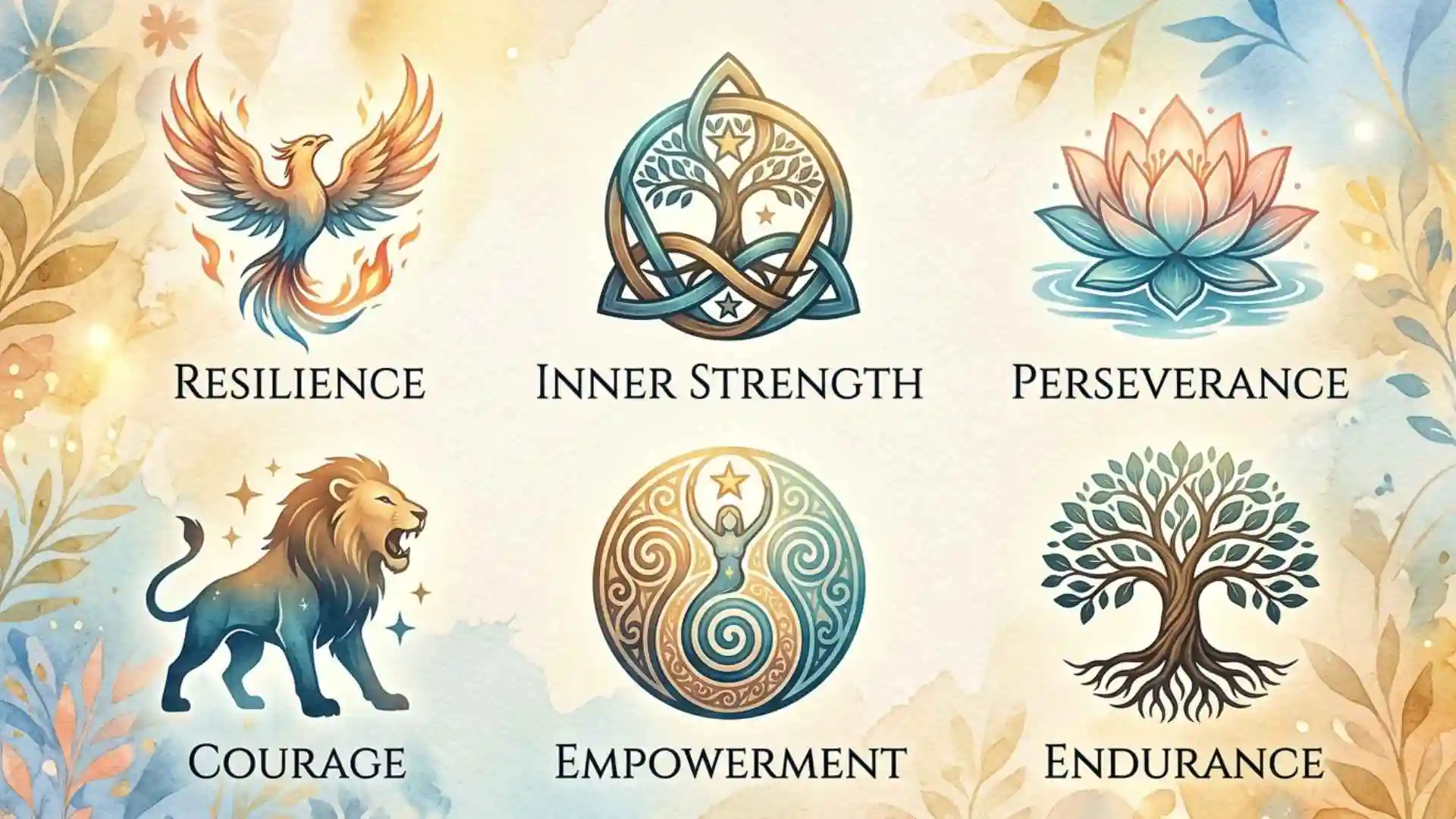
Throughout history, women have represented strength, courage, resilience, wisdom, and independence through powerful symbols. From ancient goddesses and mythological heroines to animals, flowers, spiritual signs, and cultural emblems, these symbols tell stories of women who overcame challenges, protected their communities, and inspired future generations. A woman symbol of strength and courage can represent much more than physical power. It can also express emotional resilience, self-confidence, freedom, leadership, determination, and the ability to rise after difficult experiences.
Different cultures use unique symbols to celebrate feminine strength and bravery. The lioness represents protection and fearless leadership, while the phoenix symbolizes rebirth and the courage to begin again. Figures such as Athena, Durga, and Joan of Arc represent wisdom, divine power, and resistance against adversity. Other symbols, including the lotus flower, butterfly, bear, sword, and shield, communicate inner strength, transformation, independence, and protection. Each carries its own historical and cultural significance.
In this guide, you will discover powerful woman symbols of strength and courage from ancient history, mythology, spirituality, nature, and modern culture. You will explore their meanings, origins, and connections to feminine power, resilience, independence, and leadership. Whether you are looking for inspiration, a meaningful tattoo idea, a personal emblem, or a symbol that celebrates women’s achievements, these powerful representations can help you find one that reflects your values and story.
Quick Answer
Woman symbols of strength and courage are images, figures, animals, plants, and sacred signs that represent female resilience, bravery, independence, protection, and inner power. Common examples include the lioness, phoenix, lotus flower, Athena, Durga, the Celtic knot, shield, butterfly, and raised fist.
Quick Facts About Woman Symbols of Strength and Courage
| Aspect | Information |
| Origin | Ancient mythology, religion, nature, folklore, family traditions, and social movements |
| Historical Significance | Honored female warriors, mothers, rulers, healers, goddesses, and protectors |
| Main Meaning | Courage, endurance, leadership, independence, and resilience |
| Spiritual Meaning | Inner awakening, protection, transformation, and connection with sacred feminine energy |
| Cultural Importance | Preserves stories of women who overcame hardship and defended their communities |
| Modern Usage | Tattoos, jewelry, art, fashion, logos, social media, memorials, and empowerment campaigns |
What Are Woman Symbols of Strength and Courage?
Woman symbols of strength and courage are visual or spiritual representations of female power. They may show physical bravery, but they often express quieter forms of courage too, such as surviving grief, raising a family, speaking the truth, healing after trauma, or beginning again.
These symbols developed long before written history. Early societies carved female figures connected with fertility, protection, birth, and survival. Later civilizations created powerful goddesses, queens, warriors, and legendary heroines who represented qualities valued by their communities.
In Ancient Egypt, goddesses such as Sekhmet and Isis showed that women could symbolize both nurturing care and fierce protection. Ancient Greek stories celebrated Athena for wisdom and strategic courage. Hindu traditions honored Durga as a divine warrior who defeats destructive forces.
Over time, female strength symbols moved beyond religion and mythology. They appeared in royal emblems, family crests, protest movements, literature, jewelry, and tattoos. Today, they may represent personal recovery, gender equality, motherhood, independence, or resistance against injustice.
Their importance comes from a simple human need. People often use symbols when ordinary words cannot fully express deep emotions, identity, suffering, or hope.
Deep Symbolic Meaning of Woman Symbols of Strength and Courage
Spiritual Meaning
On a spiritual level, woman symbols of strength and courage often represent transformation and awakening. They remind a person that hardship can become a source of wisdom rather than a permanent defeat.
The phoenix is a strong example. It rises from its own ashes, symbolizing spiritual rebirth after pain or loss. The lotus flower carries a similar message because it grows through muddy water before opening into a beautiful bloom.
Symbols of goddesses may represent sacred feminine energy, which includes compassion, intuition, creativity, protection, and life-giving power. This energy is not limited to biological sex. It describes qualities found within every human consciousness.
Protective figures such as Durga, Sekhmet, and the Virgin Mary may also provide emotional comfort. For many people, they represent the belief that strength can be loving, protective, and deeply spiritual.
Psychological Meaning
Psychologically, these symbols act as reminders of personal identity. A woman recovering from betrayal may choose a phoenix tattoo. A mother protecting her children may connect with the lioness. A survivor may wear a shield necklace to remind herself that she has boundaries and strength.
Swiss psychiatrist Carl Jung wrote about archetypes, which are recurring patterns and characters found across myths, dreams, and cultures. The warrior woman, wise mother, queen, healer, and protector can all be understood as archetypal figures.
These images attract people because they give a visible form to invisible emotions. Courage cannot be physically held, but it can be represented by a sword, flame, mountain, or powerful animal.
Cultural Meaning
At the cultural level, woman symbols preserve community values. They show what a society believes women can or should represent.
Some traditions emphasize motherhood and protection. Others celebrate female warriors, spiritual leaders, healers, rulers, or rebels. Modern interpretations often focus on independence, equality, professional achievement, and freedom from restrictive gender roles.
A symbol may also change meaning over time. The raised fist, for example, has been used in labor movements, civil rights campaigns, feminist activism, and protests against oppression. Its exact message depends on who uses it and why.
Types and Variations of Woman Symbols of Strength and Courage
The Lioness
A lioness is recognized by her powerful body, focused eyes, and protective behavior.
She symbolizes courage, leadership, motherhood, loyalty, and fierce protection. Lionesses hunt together and defend their young, making them a meaningful symbol of women who protect families or communities.
The lioness appears in African traditions, royal art, modern tattoos, jewelry, literature, and female empowerment designs.
The Phoenix
The phoenix is usually shown as a magnificent bird surrounded by flames.
It represents rebirth, survival, renewal, and the courage to rebuild after destruction. Although its stories vary across cultures, the phoenix is strongly associated with rising after failure, trauma, or loss.
It appears in Greek and Roman literature, medieval art, fantasy novels, movies, tattoos, and spiritual designs.
The Lotus Flower
The lotus has layered petals and grows from muddy water.
It symbolizes purity, spiritual growth, endurance, and beauty created through struggle. In Hindu and Buddhist traditions, the lotus is connected with enlightenment, divine energy, and the awakening of consciousness.
It appears in temples, meditation art, yoga imagery, jewelry, tattoos, and home decor.
The Shield
A shield is a protective object, usually round or curved, carried in battle.
It represents defense, boundaries, security, and the courage to stand firm. For women, it may symbolize emotional protection, family responsibility, or resistance against injustice.
Shields appear in mythology, military history, coats of arms, superhero stories, tattoos, and feminist artwork.
The Sword
A sword symbolizes action, truth, justice, authority, and the willingness to face danger.
Female figures such as Joan of Arc are often shown with swords because the weapon reflects both physical courage and moral conviction. In tarot symbolism, swords may also represent thought, conflict, and difficult decisions.
The sword appears in religious art, legends, fantasy stories, political imagery, and personal tattoos.
The Butterfly
The butterfly represents transformation, freedom, hope, and emotional growth.
Its movement from caterpillar to chrysalis and then winged adult makes it a natural symbol of women who have changed their lives or escaped limiting situations.
Butterflies appear in Indigenous stories, spiritual traditions, poetry, memorial art, jewelry, and body art.
The Celtic Knot
The Celtic knot consists of an unbroken line woven into an endless pattern.
It symbolizes endurance, connection, loyalty, and the continuous nature of life. Some women choose it to honor family bonds, ancestry, or strength passed from one generation to another.
It appears in Celtic art, manuscripts, crosses, wedding rings, tattoos, and decorative designs.
The Raised Fist
The raised fist shows a closed hand lifted upward.
It symbolizes resistance, unity, determination, and collective courage. Within women’s movements, it may represent equal rights, freedom, solidarity, and opposition to violence or discrimination.
It appears in protest posters, murals, social media graphics, clothing, and political art.
The Oak Tree
The oak tree has a thick trunk, wide branches, and deep roots.
It represents endurance, wisdom, stability, and strength developed over time. It is especially meaningful for women who see courage as steady persistence rather than dramatic action.
Oak imagery appears in European mythology, family crests, literature, jewelry, and nature-based spirituality.
The She-Wolf
The she-wolf symbolizes instinct, loyalty, independence, protection, and survival.
The Roman legend of the she-wolf nursing Romulus and Remus made her a symbol of maternal protection and the founding of a civilization. Modern interpretations often connect her with untamed feminine strength.
She appears in Roman art, folklore, fantasy stories, tattoos, and empowerment imagery.
Woman Symbols of Strength and Courage Across Different Cultures
Ancient Egypt
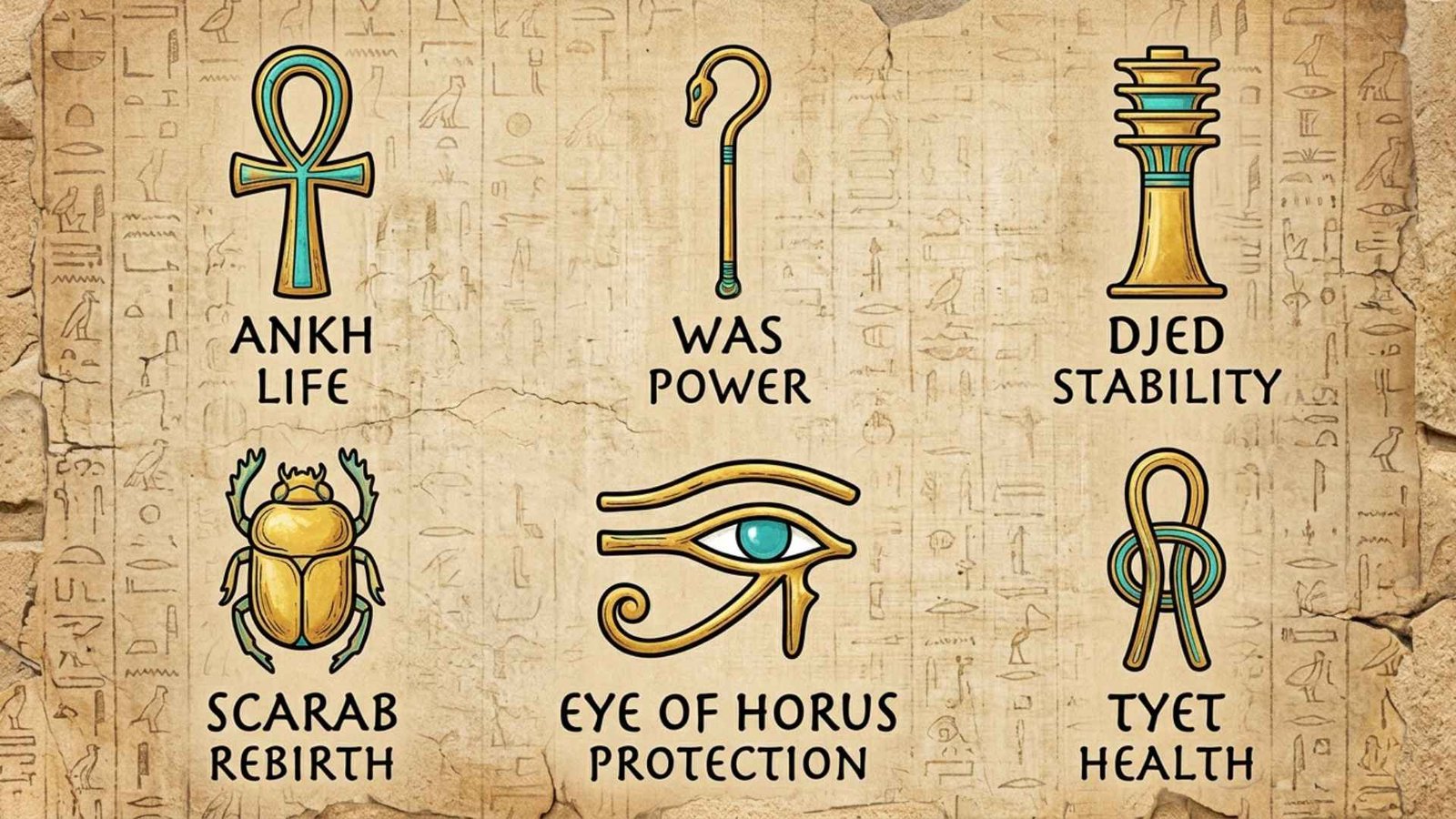
Ancient Egyptians connected female power with protection, healing, royal authority, and divine order.
Sekhmet, the lion-headed goddess, represented war, destructive power, healing, and protection. Her fierce nature showed that female energy could defend order against chaos.
Isis represented motherhood, magic, devotion, and restoration. In mythology, she used wisdom and determination to restore her husband Osiris and protect her son Horus.
Ancient Greece
Athena was one of the clearest Greek symbols of female courage. She represented wisdom, strategy, skilled warfare, and civic protection.
Unlike figures driven mainly by rage, Athena symbolized disciplined courage. Her shield, helmet, spear, and owl showed that strength requires intelligence as well as bravery.
The Amazons, a legendary society of warrior women, also influenced later ideas about female independence and martial power.
Roman Culture
Roman culture adopted many Greek goddesses while giving them new names and roles. Athena became Minerva, who represented wisdom, crafts, strategy, and protection.
The Roman goddess Victoria symbolized victory and was often shown with wings. Female figures also appeared as personifications of virtues such as courage, liberty, justice, and abundance.
The she-wolf became one of Rome’s most powerful images of maternal protection and survival.
Eastern Traditions
In Hindu tradition, Durga is a warrior goddess often shown riding a lion or tiger and carrying several weapons. She represents divine protection and the victory of good over destructive forces.
Kali represents time, transformation, fierce truth, and the destruction of ego. Her appearance can seem frightening, but her deeper meaning includes liberation from fear and illusion.
In Chinese culture, Mulan became a famous symbol of courage, loyalty, and devotion through the legend of a young woman who takes her father’s place in military service.
Indigenous Traditions
Indigenous cultures are highly diverse, so no single symbol represents all Indigenous women.
In many communities, women have served as healers, knowledge keepers, artists, farmers, political leaders, and protectors of cultural memory. Symbols connected with the earth, moon, water, buffalo, bear, weaving, and sacred plants may reflect female endurance and community responsibility.
Their meanings should be understood within the specific nation or tradition from which they come, rather than treated as universal decorations.
Modern Interpretations
Today, female strength may be represented by the Venus symbol combined with a raised fist. This design became closely associated with feminist movements and women’s rights.
Modern symbols also include survivor ribbons, portraits of historic women, superhero emblems, broken chains, crowns, mountains, and short words such as “brave,” “resilient,” or “fearless.”
Similar Symbols and Their Meanings
| Symbol | Main Meaning | Connection to Female Strength | Key Difference |
| Lioness | Protection and leadership | Represents fierce maternal courage | Focuses on power and community defense |
| Phoenix | Rebirth and recovery | Reflects survival after hardship | Focuses on beginning again |
| Lotus | Spiritual growth | Shows beauty formed through struggle | Focuses on inner peace and awakening |
| Sword | Justice and action | Represents decisive courage | Can also symbolize conflict |
| Shield | Protection and boundaries | Reflects defense of self and others | More protective than aggressive |
| Butterfly | Transformation and freedom | Represents emotional change | Softer and more delicate symbolism |
| Crown | Authority and self-worth | Shows dignity and leadership | May suggest status or achievement |
| Mountain | Endurance and ambition | Represents overcoming challenges | Focuses on the journey toward a goal |
A common misconception is that strength must always look fierce. In reality, a lotus, butterfly, or tree may represent courage just as powerfully as a sword or lioness.
Woman Symbols of Strength and Courage in Mythology and Folklore
Mythology is filled with women who refused to remain powerless.
Athena used wisdom to protect cities and guide heroes. Durga fought a demon that other gods could not defeat. The Norse goddess Freyja represented love, magic, independence, and aspects of war.
The Celtic queen Boudica became a historical and legendary symbol of resistance after leading a rebellion against Roman rule in Britain. Joan of Arc became a symbol of faith and bravery after leading French forces during the Hundred Years’ War.
Folklore also includes women who survive dangerous journeys, break curses, protect children, outsmart enemies, or restore justice. These stories shaped the modern belief that female courage can be intellectual, spiritual, emotional, or physical.
Woman Symbols of Strength and Courage in Art, Literature, Movies, and Pop Culture
Artists often use female figures to represent nations, freedom, justice, and victory. The Statue of Liberty, inspired by classical female personifications, represents freedom, hope, and welcome.
In literature, characters such as Jane Eyre, Katniss Everdeen, and Celie from The Color Purple show different forms of courage. Their strength comes from moral independence, survival, resistance, and the refusal to lose their identity.
Movies and television often use armor, fire, wings, crowns, and weapons to visually communicate female power. Superheroes such as Wonder Woman combine ancient warrior imagery with modern ideas about justice and equality.
In tattoos and fashion, these symbols become personal statements. A lioness may honor motherhood, while a phoenix may mark recovery from a painful chapter.
Spiritual and Dream Meaning of Woman Symbols of Strength and Courage
Dreams about strong female symbols may reflect emotional challenges, hidden abilities, or the need for protection.
A lioness in a dream may suggest leadership, maternal instinct, or a warning to protect personal boundaries. A phoenix may appear during a period of major change, signaling that an old identity is ending.
Dreaming of a sword may point to conflict, truth, or the need to make a firm decision. A lotus can suggest healing, peace, or spiritual progress.
Dream meanings are personal rather than scientifically fixed. The most useful interpretation considers your emotions, experiences, culture, and current life situation.
Positive and Negative Meanings of Woman Symbols of Strength and Courage
| Positive Meaning | Negative or Shadow Meaning |
| Courage | Recklessness |
| Independence | Isolation |
| Protection | Overcontrol |
| Leadership | Domination |
| Resilience | Refusal to rest |
| Confidence | Pride |
| Justice | Revenge |
| Transformation | Fear of stability |
| Loyalty | Self-sacrifice without limits |
| Fierceness | Uncontrolled anger |
A symbol can carry both light and shadow. For example, a sword may defend justice, but it can also cause harm. A lioness may represent protection, yet excessive protectiveness can become control.
True strength requires balance. Courage becomes healthier when joined with wisdom, compassion, and self-awareness.
Why Humans Are Attracted to Woman Symbols of Strength and Courage
Humans naturally search for patterns and stories that help explain difficult experiences. Symbols make those experiences easier to understand and remember.
A woman may feel deeply connected to a phoenix because she survived a painful loss. Someone else may choose an oak tree because her grandmother showed quiet strength for decades.
Collective symbolism also matters. When many generations repeat a story about a warrior goddess, protective mother, or wise queen, that image becomes part of cultural memory.
These symbols can also help people imagine a stronger version of themselves. Wearing a lioness pendant does not create courage by itself, but it may serve as a daily reminder to act with courage.
Modern Uses of Woman Symbols of Strength and Courage
Woman symbols of strength and courage are widely used in modern life:
- Tattoos: Phoenixes, lionesses, flowers, swords, and goddess figures often mark survival or personal growth.
- Jewelry: Pendants and rings may feature shields, Celtic knots, moons, or protective symbols.
- Fashion: Clothing may use raised fists, empowering words, female portraits, or warrior imagery.
- Branding: Women-led businesses often use crowns, flames, wings, or strong feminine silhouettes.
- Social media: Symbols are used in campaigns supporting equality, survivors, leadership, and mental well-being.
- Contemporary spirituality: Goddess figures, lotus flowers, and moon imagery may support meditation and self-reflection.
- Home decor: Artwork featuring mountains, trees, affirmations, or powerful women can create an inspiring space.
- Personal expression: A chosen symbol may honor motherhood, recovery, ancestry, independence, or a major life transition.
Interesting Facts About Woman Symbols of Strength and Courage
- The lioness has represented both motherhood and military protection in several ancient cultures.
- Athena’s shield was called the aegis and was associated with divine protection.
- Durga is commonly shown with several arms, symbolizing her ability to perform many divine tasks.
- The phoenix was described differently by Greek, Roman, Egyptian, Persian, and later European writers.
- The raised fist existed as a resistance symbol before it became connected with modern feminist movements.
- The lotus can remain rooted in mud while its flower rises clean above the water.
- The Statue of Liberty is based partly on the classical tradition of representing political ideals as women.
- Butterflies symbolize both transformation and the soul in several artistic and cultural traditions.
- Swords held by female figures often represent justice or truth rather than violence alone.
- Many symbols now called universal actually have specific cultural origins that deserve respectful acknowledgment.
Frequently Asked Questions
What is the strongest symbol for a woman?
The lioness is one of the strongest symbols for a woman because it represents courage, leadership, motherhood, loyalty, and protection.
What symbol represents a strong and courageous woman?
A phoenix commonly represents a strong and courageous woman who survives hardship, transforms her life, and rises again with greater wisdom.
What flower symbolizes female strength?
The lotus symbolizes female strength, spiritual growth, purity, and the ability to rise above painful or difficult circumstances.
What goddess symbolizes female courage?
Athena symbolizes wise courage and strategy, while Durga represents fierce protection and victory over evil or destructive forces.
What tattoo symbolizes strength for a woman?
Popular female strength tattoos include the lioness, phoenix, lotus, sword, shield, butterfly, Celtic knot, oak tree, and raised fist.
Can a symbol have different meanings in different cultures?
Yes. A symbol may represent protection in one culture, spiritual transformation in another, and political resistance in a modern setting.
Conclusion
Woman symbols of strength and courage remind us that bravery has many forms, from fierce protection to quiet endurance.
A lioness, lotus, sword, goddess, or phoenix can express a story that ordinary words cannot fully capture.
Their meanings connect ancient history with modern struggles, personal healing, and the continuing search for equality.
The most powerful symbol is often the one that reflects the strength a woman has already discovered within herself.
 Michael Rivera
 John Mercer