
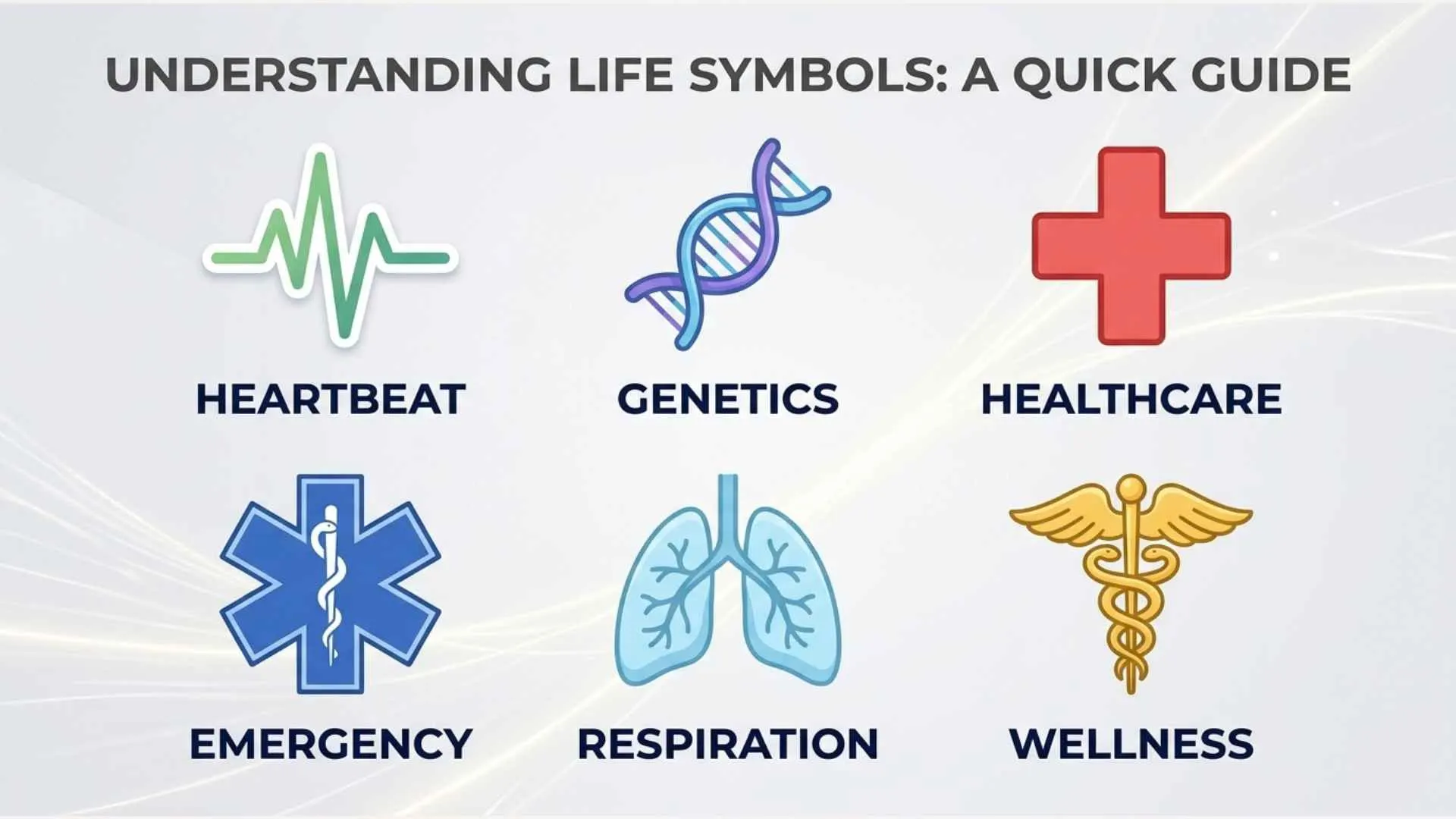
Your car’s dashboard is more than a collection of lights and symbols—it is a communication system that tells you what is happening with your vehicle. From a simple seat belt reminder to a serious engine or brake warning, each dashboard symbol has a specific meaning. Understanding these signs can help you respond quickly and avoid unnecessary damage or safety risks.
Dashboard warning lights can appear in different colors, shapes, and styles depending on the vehicle. Green and blue lights usually show that a feature is active, while yellow or amber symbols often indicate that something needs attention. Red warning lights generally signal a more urgent problem that should not be ignored. Knowing these basic color meanings makes it easier to understand a symbol even when you see it for the first time.
In this complete guide, you’ll learn what common dashboard symbols mean, why they appear, and what action you should take when they turn on. We’ll cover warning lights related to the engine, brakes, battery, oil, tires, temperature, airbags, and other important systems, along with less obvious symbols and their hidden messages. Whether you are a new driver or simply want to understand your vehicle better, this guide will help you read your dashboard with greater confidence.
Quick Answer
Dashboard symbols are visual indicators displayed on a vehicle’s instrument panel to communicate warnings, system status, and maintenance information. They represent functions such as engine health, brakes, airbags, fuel levels, tire pressure, and safety systems. Learning their meanings helps drivers respond quickly and protect their vehicle.
Quick Facts About Dashboard Symbols
| Aspect | Information |
| Origin | Developed with modern automobile technology to provide quick visual communication between vehicles and drivers |
| Historical Significance | Evolved from basic gauges and warning lamps into advanced digital communication systems |
| Main Meaning | Provide information about vehicle conditions, warnings, and operating status |
| Spiritual Meaning | Symbolically represent awareness, guidance, attention, and responsibility |
| Cultural Importance | Reflect society’s relationship with technology, safety, and transportation |
| Modern Usage | Found in cars, trucks, electric vehicles, motorcycles, and advanced driver-assistance systems |
What Are Dashboard Symbols?
Definition of Dashboard Symbols
Dashboard symbols are icons, lights, and indicators displayed on a vehicle’s dashboard to communicate information about the vehicle’s operation. They help drivers understand what is happening inside the engine, electrical systems, safety features, and other important components.
A dashboard works like a communication center. Instead of requiring drivers to inspect mechanical parts manually, vehicles use symbols to provide instant warnings and updates.
For example, a red oil pressure symbol does not simply represent oil. It communicates that the engine may not be receiving enough lubrication, which could lead to severe damage if ignored.
Origin and Historical Background
The history of dashboard symbols began with early automobiles that used simple gauges and mechanical indicators. As vehicles became more advanced during the 20th century, manufacturers introduced warning lights to improve driver awareness.
Early cars mainly used basic indicators for fuel levels, temperature, and battery problems. Later, electronic sensors allowed vehicles to monitor dozens of systems, including airbags, traction control, tire pressure, and engine performance.
Organizations such as the International Organization for Standardization (ISO) helped create standardized symbols so drivers around the world could understand vehicle warnings regardless of language.
Evolution of Dashboard Symbols
Modern dashboard symbols have transformed from simple colored lights into intelligent digital messages. Today’s vehicles can display:
- Maintenance reminders
- Navigation information
- Driver assistance alerts
- Electric vehicle battery status
- Collision warnings
- Lane departure notifications
Luxury vehicles and electric cars now feature advanced digital displays that provide detailed explanations rather than only showing icons.
Deep Symbolic Meaning of Dashboard Symbols
Spiritual Level: Symbols of Awareness and Responsibility
Although dashboard symbols are mechanical indicators, they also carry a deeper symbolic meaning. They represent awareness, attention, and the connection between humans and machines.
A warning symbol appearing on a dashboard can be viewed as a reminder to slow down, observe, and take action. Similar to ancient symbols used for guidance and protection, dashboard icons communicate messages designed to prevent harm.
The concept reflects a universal human idea: signs appear when something requires attention.
Psychological Level: Human Response to Visual Signals
From a psychological perspective, dashboard symbols use colors and shapes because humans naturally respond to visual patterns.
Colors create immediate emotional reactions:
- Red often represents danger, urgency, or immediate action.
- Yellow usually indicates caution or a system requiring attention.
- Green commonly represents normal operation or active features.
- Blue often communicates information, such as high-beam headlights.
Psychologist Carl Jung discussed the importance of symbols in human thinking. While dashboard symbols are modern inventions, they follow the same principle: humans understand images quickly because symbols communicate ideas without words.
Cultural Level: A Universal Language
Dashboard symbols demonstrate how modern societies create shared visual languages. A driver traveling in another country may not understand the local language, but they can often recognize a brake warning symbol or fuel indicator.
These symbols connect technology, safety, and human cooperation across cultures.
Types and Variations of Dashboard Symbols
Dashboard symbols can be grouped into different categories based on their purpose and urgency.
Warning Symbols
Warning symbols alert drivers about possible problems that may require immediate attention.
Examples include:
Engine Warning Light
Visual Description: Usually shown as a small engine-shaped icon.
Meaning: Indicates a possible issue with the engine, emissions system, or related components.
Symbolism: Represents the vehicle’s need for care and inspection.
Where It Appears: Cars, trucks, SUVs, and hybrid vehicles.
Oil Pressure Warning Symbol
Visual Description: A small oil can icon.
Meaning: Indicates low oil pressure or possible lubrication problems.
Symbolism: Represents protection and the need to maintain internal balance.
Where It Appears: Nearly all modern vehicles.
Brake Warning Symbol
Visual Description: A circle with an exclamation mark or brake-related icon.
Meaning: May indicate low brake fluid, parking brake activation, or brake system problems.
Symbolism: Represents safety, control, and protection.
Safety System Symbols
Modern vehicles include many symbols related to passenger protection.
Airbag Warning Symbol
Visual Description: A person sitting with a circular shape in front.
Meaning: Indicates a possible issue with the airbag system.
Cultural Connection: Reflects modern society’s focus on injury prevention and passenger safety.
Seat Belt Reminder Symbol
Visual Description: A seated person wearing a belt.
Meaning: Reminds passengers to use seat belts.
Symbolism: Represents responsibility and protection.
Information Symbols
Not all dashboard symbols indicate problems.
Examples include:
- Headlight indicators
- Turn signal arrows
- Cruise control symbols
- Eco driving indicators
- Fuel level indicators
These symbols help drivers understand vehicle functions.
Dashboard Symbols Across Different Cultures
Ancient Egypt and Symbolic Communication
Ancient Egyptians used symbols extensively through hieroglyphics. Their symbols represented ideas, objects, and spiritual concepts.
Although dashboard symbols are modern, they share a similar purpose: communicating complex meanings through simple images.
A symbol such as an eye in ancient Egypt represented protection and awareness. Similarly, modern dashboard symbols represent observation and guidance.
Ancient Greece
Ancient Greeks valued symbols in mythology, philosophy, and art. Symbols represented concepts such as wisdom, strength, and destiny.
Modern dashboard symbols continue this tradition by using images to represent invisible processes happening inside a machine.
Roman Culture
Romans used signs and symbols throughout military systems, architecture, and public communication.
Road signs and vehicle symbols today continue the Roman tradition of creating universal visual messages.
Eastern Traditions
Eastern philosophies often emphasize balance, awareness, and harmony.
Dashboard symbols can be interpreted through this perspective because they remind drivers to maintain balance between human decisions and technological systems.
Indigenous Traditions
Many Indigenous cultures use symbols to communicate relationships between humans, nature, and responsibility.
While dashboard symbols are technological rather than spiritual, they share the idea that signs carry important messages.
Modern Interpretations
Today, dashboard symbols represent a global technological language. They connect drivers across countries and cultures through shared meanings.
Similar Symbols and Their Meanings
| Symbol Type | Meaning | Similar Concept |
| Engine Warning | Mechanical problem | Health warning sign |
| Fuel Symbol | Energy supply | Resource symbol |
| Brake Symbol | Safety concern | Protection symbol |
| Temperature Symbol | Heat level | Balance symbol |
| Battery Symbol | Electrical power | Energy symbol |
A common misunderstanding is that every dashboard symbol represents danger. Many symbols simply provide information about active vehicle features.
Dashboard Symbols in Mythology and Folklore
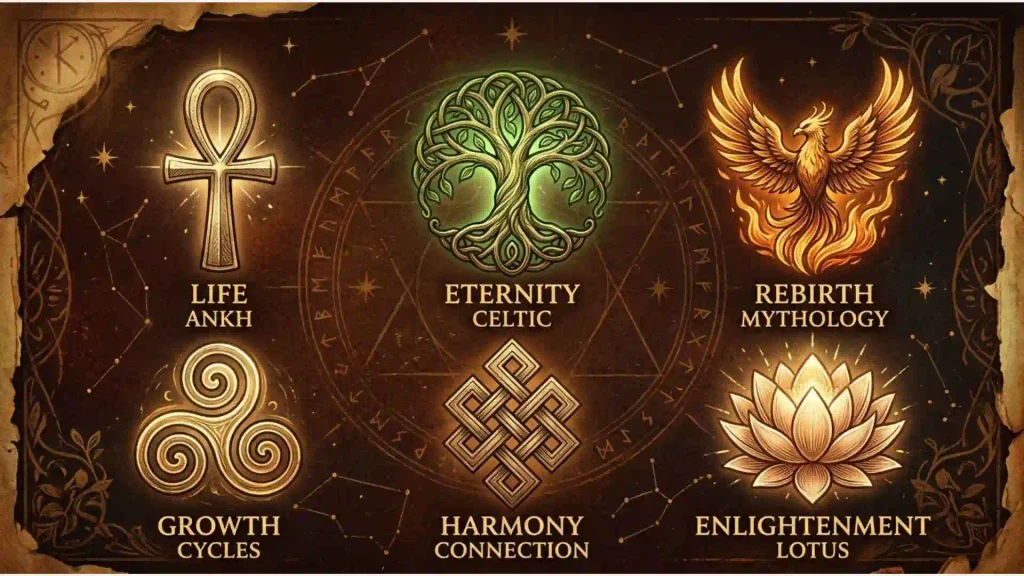
Human history shows a strong connection between symbols and warnings. Ancient civilizations used signs from nature, animals, and objects to interpret events.
For example:
- Birds were often seen as messengers.
- Fire represented transformation and power.
- Eyes represented protection and awareness.
Dashboard symbols follow a similar pattern. They act as modern messengers that alert humans about hidden conditions.
The difference is that dashboard symbols are based on engineering rather than mythology.
Dashboard Symbols in Art, Literature, Movies, and Pop Culture
Movies
Vehicles in movies often use dashboard symbols to create tension. A flashing warning light can signal danger, urgency, or a critical moment in a story.
Literature
Writers often use symbols as metaphors for human emotions. A warning light can represent doubt, fear, or the need for change.
Tattoos and Fashion
Some people use mechanical symbols as tattoos because they represent:
- Technology
- Adventure
- Personal journeys
- Connection with machines
Modern Design
Automotive symbols influence digital interfaces, apps, and technology design because they provide simple visual communication.
Spiritual and Dream Meaning of Dashboard Symbols
Dream Interpretation
Dreaming about dashboard symbols may represent awareness, warnings, or personal responsibility.
Possible interpretations include:
- A warning light may symbolize an ignored problem in life.
- A fuel symbol may represent low energy or emotional exhaustion.
- A navigation symbol may represent searching for direction.
Dream meanings depend heavily on personal experiences and emotions.
Meditation and Personal Reflection
Some people view symbols as reminders for mindfulness. A dashboard warning can represent the importance of checking personal well-being, relationships, and goals.
Positive and Negative Meanings of Dashboard Symbols
| Positive Meaning | Negative Meaning |
| Awareness | Warning |
| Guidance | Problem |
| Protection | Risk |
| Maintenance | Failure |
| Responsibility | Neglect |
A symbol itself is not positive or negative. Its meaning depends on the situation and the response it creates.
Why Humans Are Attracted to Dashboard Symbols
Humans naturally search for patterns and meanings. Symbols simplify complicated information and allow quick understanding.
Dashboard symbols are powerful because they combine:
- Visual recognition
- Emotional response
- Practical information
- Human decision-making
They represent the relationship between humans and technology. Instead of replacing human awareness, symbols support better choices.
Modern Uses of Dashboard Symbols
Automotive Technology
Modern vehicles use symbols for:
- Electric battery management
- Autonomous driving systems
- Parking assistance
- Tire monitoring
- Safety alerts
Electric Vehicles
Electric cars have introduced new symbols related to:
- Battery charging
- Regenerative braking
- Energy efficiency
- Charging status
Smart Transportation
Future vehicles will likely use even more advanced symbols as artificial intelligence and automation become common.
Interesting Facts About Dashboard Symbols
- Many vehicle symbols are internationally standardized to help drivers worldwide understand warnings.
- The check engine light can represent hundreds of possible issues, from minor sensor problems to serious engine faults.
- Red dashboard symbols usually indicate situations requiring faster attention.
- Electric vehicles have created entirely new categories of dashboard symbols.
- Many modern symbols are based on designs created decades ago.
- Dashboard symbols reduce the need for language-based instructions.
- Vehicle manufacturers often customize symbols while keeping their basic meanings recognizable.
- The first warning lights were much simpler than today’s digital displays.
Frequently Asked Questions
What are dashboard symbols?
Dashboard symbols are visual indicators that communicate information about a vehicle’s condition, safety systems, and operating status.
Why are dashboard symbols important?
They help drivers identify problems early, understand vehicle functions, and improve road safety.
What does a red dashboard symbol mean?
A red dashboard symbol usually indicates a serious issue that may require immediate attention.
What does a yellow dashboard symbol mean?
A yellow or amber symbol generally means caution. It often indicates that a system needs checking soon.
Are all dashboard symbols warnings?
No. Some dashboard symbols simply provide information, such as headlights, cruise control, or fuel level.
Why do different cars have similar dashboard symbols?
International standards help manufacturers create symbols that drivers can recognize across different vehicles and countries.
Conclusion
Dashboard symbols are more than simple lights on a vehicle display. They represent a modern language of communication between humans and machines. From ancient symbolic traditions to advanced automotive technology, symbols continue to guide, warn, and protect us. Understanding these icons helps drivers make smarter decisions and creates a safer connection with the vehicles they depend on every day.
 Sarah Thompson
 Michael Rivera