
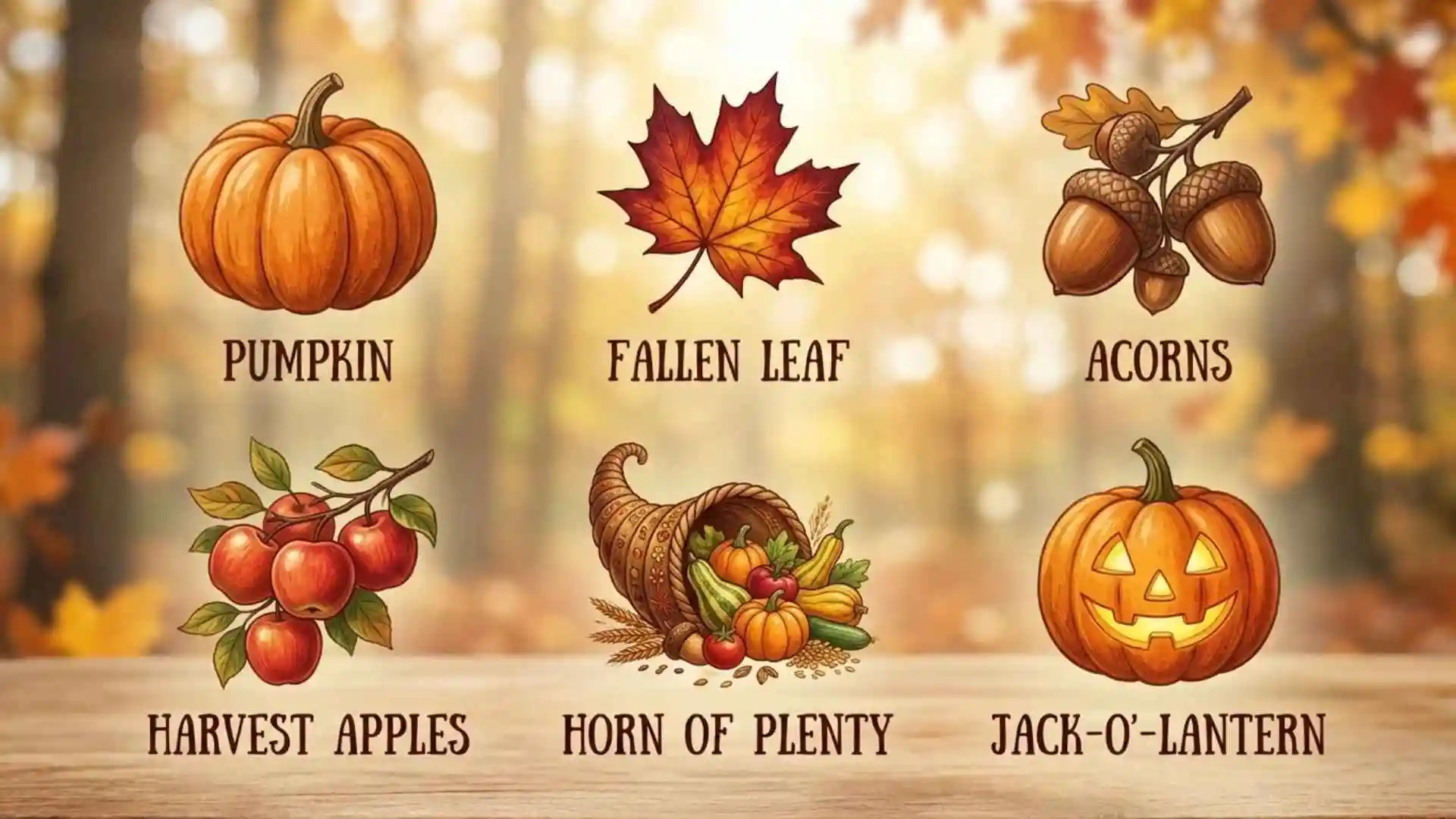
Fall symbols capture the beauty, mystery, and deeper meaning of autumn. From colorful falling leaves and ripe pumpkins to acorns, apples, harvest moons, and migrating birds, these seasonal signs reflect nature’s changing rhythms. They remind us that every season brings something new, whether it’s the warmth of family gatherings, the excitement of Halloween, or the peaceful beauty of trees dressed in red, orange, and golden hues.
Beyond their natural beauty, fall symbols carry powerful meanings related to change, transformation, gratitude, abundance, and letting go. Falling leaves often represent the end of one chapter and the beginning of another, while pumpkins symbolize harvest and prosperity. Acorns can represent potential and new beginnings, and the autumn harvest reminds us to appreciate the rewards of patience and hard work. These symbols also appear in folklore, spiritual traditions, art, literature, and seasonal celebrations, giving autumn a special place in cultures around the world.
In this guide to fall symbols and their meanings, you’ll discover the stories behind autumn leaves, pumpkins, acorns, apples, pinecones, scarecrows, and other familiar seasonal signs. You’ll also explore their spiritual meanings, cultural connections, psychological significance, and uses in tattoos, decorations, and creative projects. Whether you love autumn’s cozy atmosphere or want to understand its deeper symbolism, these fall symbols will help you see the season in a whole new light.
Quick Answer
Fall symbols are natural objects, colors, animals, and traditions associated with autumn. Common examples include falling leaves, pumpkins, apples, acorns, corn, scarecrows, migrating birds, and harvest moons. They usually represent change, abundance, maturity, gratitude, preparation, letting go, and the cycle of death followed by renewal.
Quick Facts About Fall Symbols
| Aspect | Information |
| Origin | Early farming societies and seasonal observations |
| Historical Significance | Marked harvest time, food storage, festivals, and preparation for winter |
| Main Meaning | Change, maturity, abundance, and release |
| Spiritual Meaning | Transformation, surrender, gratitude, and inner renewal |
| Cultural Importance | Connected with harvest festivals, religious observances, folklore, and family traditions |
| Modern Usage | Home decor, fashion, tattoos, branding, seasonal celebrations, and social media |
What Are Fall Symbols?
Fall symbols are images, objects, colors, animals, and natural events that represent the autumn season. They developed from direct human experience with the yearly cycle of growth, harvest, decline, and rest.
Before modern calendars, people watched nature closely. Shorter days, cooler air, ripening crops, animal migration, and changing leaves signaled that winter was approaching. These signs were not merely beautiful. They helped communities decide when to harvest crops, preserve food, move livestock, and prepare shelters.
As agriculture became central to civilization, autumn gained strong symbolic importance. It represented the reward for months of labor. A full field suggested abundance and survival, while a failed harvest could bring hunger and hardship.
Over time, religious traditions, folklore, poetry, and art added new meanings. Fall became a symbol of aging, wisdom, memory, loss, and acceptance. Today, autumn imagery still connects us with those ancient rhythms, even when we live far from farms and forests.
Deep Symbolic Meaning of Fall Symbols
Spiritual Meaning
On a spiritual level, fall represents surrender. Trees release their leaves without resisting the season, offering a natural lesson about letting go of what is no longer needed.
Autumn also symbolizes inner transformation. Just as plants withdraw energy into their roots, people may feel called to slow down, reflect, and turn inward. Many spiritual traditions view this period as a time for gratitude, honest self-examination, and preparation for renewal.
The harvest carries another spiritual message. It reminds us that actions have consequences. What we nurture through the year eventually produces results, whether those results appear in relationships, habits, work, or personal growth.
Psychological Meaning
Psychologically, fall often creates a mixture of comfort and sadness. Warm colors, familiar foods, and seasonal traditions may awaken happy childhood memories. At the same time, fading light and falling leaves can remind us that time is passing.
Carl Jung’s idea of archetypes helps explain why seasonal images feel so meaningful. The harvest can reflect the archetype of completion, while falling leaves may represent death, release, or transformation. These patterns appear across stories and cultures because they reflect shared human experiences.
Autumn can also encourage emotional clarity. Its visible changes show that endings are normal. This may help people process aging, separation, career changes, or other life transitions with greater acceptance.
Cultural Meaning
Culturally, fall represents community and shared survival. Harvest festivals traditionally brought people together to gather food, celebrate successful crops, and thank spiritual powers or deities.
Modern celebrations continue this pattern. Thanksgiving meals, autumn fairs, moon festivals, bonfires, and seasonal markets create opportunities for families and communities to reconnect.
Although customs differ, the central message remains similar: recognize abundance, honor the work behind it, and prepare wisely for what comes next.
Types and Variations of Fall Symbols
Falling Leaves
Visual description: Red, orange, yellow, and brown leaves drifting from trees.
Meaning: Change, release, aging, and natural beauty.
Symbolism: Falling leaves show that letting go can be graceful rather than tragic.
Cultural connection: They appear frequently in Japanese art, European poetry, seasonal festivals, and modern photography.
Where they appear: Paintings, tattoos, dreams, literature, greeting cards, and home decor.
Pumpkins
Visual description: Round orange fruits with thick stems and ribbed surfaces.
Meaning: Harvest, abundance, protection, and seasonal celebration.
Symbolism: Pumpkins represent nourishment and the rewards of cultivation.
Cultural connection: Native to the Americas, pumpkins became important food crops long before European settlement. They are now strongly linked with Halloween and Thanksgiving.
Where they appear: Folklore, food traditions, lanterns, festivals, branding, and decorations.
Acorns and Oak Trees
Visual description: Small nuts growing beneath broad oak leaves.
Meaning: Potential, strength, patience, and future growth.
Symbolism: The acorn reminds us that something small can develop into something powerful.
Cultural connection: Oaks were sacred in several European traditions and were associated with strength, endurance, and divine power.
Where they appear: Celtic-inspired art, jewelry, coats of arms, tattoos, and nature symbolism.
Apples
Visual description: Red, green, or golden fruit gathered during the autumn harvest.
Meaning: Knowledge, temptation, health, love, and abundance.
Symbolism: Apples can represent both wisdom and desire.
Cultural connection: They appear in Greek mythology, European folklore, biblical interpretation, fairy tales, and harvest traditions.
Where they appear: Mythology, religious art, school imagery, food festivals, and literature.
Corn and Wheat
Visual description: Golden stalks, grain bundles, and dried corn husks.
Meaning: Fertility, nourishment, prosperity, and life.
Symbolism: Grain represents the connection between human labor and survival.
Cultural connection: Corn has deep importance in many Indigenous American traditions, while wheat shaped agricultural life across Europe, North Africa, and Western Asia.
Where they appear: Harvest rituals, religious offerings, folk art, wreaths, and seasonal displays.
Scarecrows
Visual description: Human-shaped figures made from old clothing, straw, and wooden frames.
Meaning: Protection, vigilance, rural life, and hidden identity.
Symbolism: A scarecrow may appear harmless, yet it stands as a guardian of the field.
Cultural connection: Similar crop-protecting figures have appeared in agricultural societies across Europe and Asia.
Where they appear: Farms, folklore, children’s stories, horror films, and autumn festivals.
The Harvest Moon
Visual description: A large golden full moon rising close to the horizon.
Meaning: Completion, abundance, illumination, and timing.
Symbolism: The harvest moon reflects the moment when effort reaches fulfillment.
Cultural connection: Its name is linked with the bright moonlight that historically helped farmers continue harvesting after sunset.
Where it appears: Poetry, music, paintings, spiritual practices, and seasonal calendars.
Migrating Birds
Visual description: Flocks flying across the sky in organized patterns.
Meaning: Journey, instinct, departure, and preparation.
Symbolism: Migration represents knowing when to move forward and trust an inner direction.
Cultural connection: Birds have long been viewed as messengers between worlds in myths and religious traditions.
Where they appear: Dreams, poetry, folklore, artwork, and spiritual symbolism.
Fall Symbols Across Different Cultures
Ancient Egypt
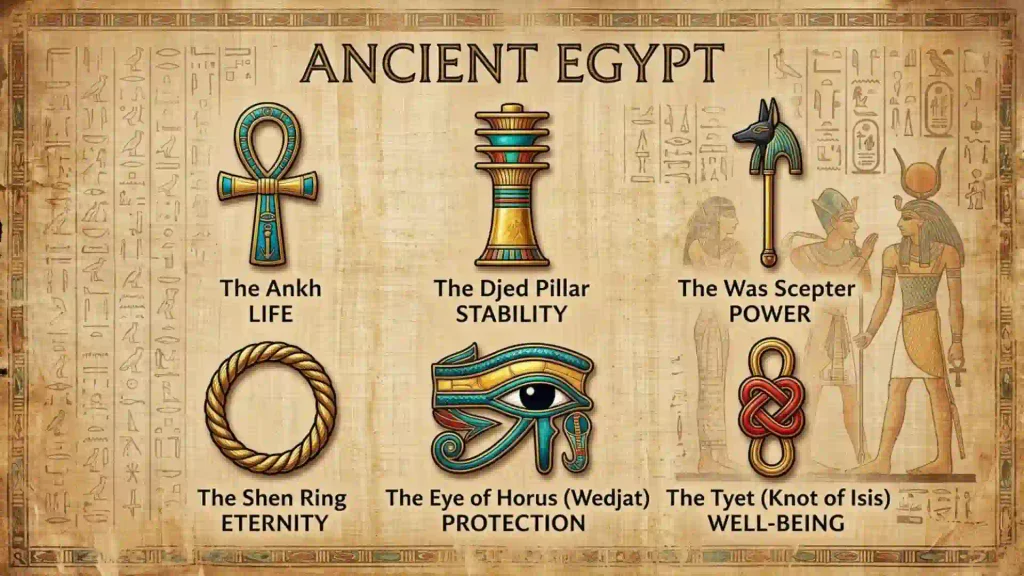
Ancient Egypt did not experience autumn exactly as colder northern regions do. Its seasonal life followed the Nile’s flooding, planting, and harvest cycles. Agricultural abundance was connected with divine order, fertility, and survival. Grain, especially wheat and barley, served as an important symbol of life, death, and regeneration.
Ancient Greece
Greek mythology linked seasonal change with the story of Demeter and Persephone. According to the myth, Demeter’s grief over Persephone’s absence caused the earth to become barren. Persephone’s return restored growth.
Although the story is often used to explain winter and spring, it also reflects autumn’s movement from abundance toward dormancy.
Roman Culture
Romans honored agricultural deities such as Ceres, the goddess of grain and farming. Harvest celebrations recognized the importance of crops, rural labor, and divine favor.
The cornucopia, or horn of plenty, became a lasting Roman symbol of abundance. It remains common in modern fall and Thanksgiving decorations.
Eastern Traditions
In China, the Mid-Autumn Festival celebrates family unity, gratitude, and the full moon. Mooncakes, lanterns, and moon viewing are central customs.
In Japan, autumn is closely associated with red maple leaves, chrysanthemums, seasonal foods, and the awareness that beauty is temporary. This sensitivity to impermanence is often connected with the idea of mono no aware, an emotional response to the passing nature of things.
Indigenous Traditions
Indigenous peoples across North America hold diverse autumn traditions, so no single interpretation represents every nation. In many communities, seasonal harvests involve gratitude, ceremony, responsibility, and respect for the land.
Corn, beans, squash, wild rice, berries, and other foods may carry cultural and spiritual importance depending on the specific people and region.
Modern Interpretations
Today, fall symbols often combine older harvest meanings with personal ideas about comfort, creativity, and self-care. Autumn may represent a fresh start, especially because it overlaps with new school years and changing routines.
Modern culture also connects fall with warm drinks, layered clothing, candles, rustic decor, and outdoor photography.
Similar Symbols and Their Meanings
| Symbol | Main Meaning | Connection to Fall | Key Difference |
| Falling leaf | Release and change | Direct sign of autumn | Focuses on endings |
| Acorn | Potential and strength | Falls during the season | Focuses on future growth |
| Pumpkin | Harvest and abundance | Common autumn crop | Also linked with Halloween |
| Cornucopia | Prosperity and plenty | Filled with harvested foods | Represents collected abundance |
| Harvest moon | Completion and timing | Appears near the autumn equinox | Connected with celestial cycles |
| Scarecrow | Protection and watchfulness | Guards ripening crops | Human-made rather than natural |
| Apple | Knowledge and desire | Harvested in autumn | Has strong mythological meanings |
A common misconception is that every fall symbol represents death. In reality, autumn symbolism is more balanced. It includes decline, but also maturity, celebration, wisdom, preservation, and preparation for new life.
Fall Symbols in Mythology and Folklore
Seasonal myths often explain why the earth loses its warmth and fertility. The story of Demeter and Persephone is one of the best-known examples. It connects agricultural decline with separation, grief, and eventual reunion.
European folklore also linked autumn with the thinning boundary between the living and the dead. Samhain, an ancient Gaelic seasonal festival, marked the end of the harvest period and the beginning of winter. Later Halloween customs developed through a complex mix of Christian observances, folk practices, and migration.
Apples frequently appear in autumn folklore. In Greek myth, golden apples represented beauty, desire, immortality, or conflict. In European stories, apples could reveal fate, love, danger, or hidden knowledge.
These legends shaped modern autumn symbolism by connecting the season with mystery, memory, spiritual transition, and unseen worlds.
Fall Symbols in Art, Literature, Movies, and Pop Culture
Artists often use autumn landscapes to explore time, aging, and impermanence. Golden trees may look peaceful, but they can also suggest that beauty is brief.
Poets have long treated autumn as a mature season. Instead of showing only loss, many poems celebrate ripeness, fullness, and calm acceptance. John Keats’s poem “To Autumn” famously presents the season as rich with fruit, grain, warmth, and natural music.
In movies and television, falling leaves often signal a change in mood or time. Autumn settings are common in romance, family drama, mystery, and coming-of-age stories because the season feels both comforting and uncertain.
Fall symbols also appear in tattoos, jewelry, clothing, and graphic design. A leaf tattoo may represent personal change, while an acorn pendant can symbolize potential. Pumpkins and warm-colored patterns communicate celebration, comfort, and seasonal identity.
Spiritual and Dream Meaning of Fall Symbols
Dreaming about autumn often suggests transition. You may be ending one stage of life and preparing for another.
Falling leaves can mean emotional release, acceptance, or fear of losing control. The feeling of the dream matters. Peaceful leaves may suggest readiness, while violent winds may reflect anxiety about sudden change.
A harvest dream may symbolize results, rewards, or the consequences of past choices. A field full of healthy crops can indicate satisfaction, while damaged crops may reflect disappointment or missed opportunities.
Pumpkins may represent abundance, hidden potential, or protection. Acorns often point toward small beginnings with long-term promise.
Dream meanings are personal rather than fixed predictions. Consider your emotions, current circumstances, and cultural background before deciding what a fall symbol means to you.
Positive and Negative Meanings of Fall Symbols
| Positive Meaning | Negative Meaning |
| Abundance | Scarcity |
| Maturity | Aging |
| Transformation | Unwanted change |
| Gratitude | Regret |
| Release | Loss |
| Preparation | Fear of the future |
| Rest | Isolation |
| Completion | Finality |
| Wisdom | Sadness |
| Renewal through change | Decline |
The same symbol can hold both light and shadow. A falling leaf may feel peaceful to someone ready for change, yet painful to someone experiencing loss. Context gives the symbol its emotional meaning.
Why Humans Are Attracted to Fall Symbols
Humans naturally search for patterns. Seasonal changes give structure to time and help us understand our own lives.
Autumn is especially powerful because its transformation is visible. A green landscape can turn gold within weeks. This dramatic change reflects the emotional transitions people experience through relationships, aging, work, and personal growth.
Cultural memory also strengthens our attraction. Harvest meals, school beginnings, family traditions, and seasonal scents become connected with safety and belonging.
Finally, fall symbols allow us to face difficult truths gently. They show that decline can be beautiful, endings can have meaning, and letting go can prepare the way for renewal.
Modern Uses of Fall Symbols
Fall symbols appear throughout modern life:
- Tattoos: Leaves, trees, acorns, moons, and migrating birds represent transformation or personal growth.
- Jewelry: Oak leaves and acorns symbolize endurance, strength, and potential.
- Fashion: Brown, rust, gold, burgundy, and forest green reflect seasonal warmth.
- Branding: Food, travel, and lifestyle companies use pumpkins, leaves, and harvest colors to create comfort and nostalgia.
- Social media: Autumn images express gratitude, coziness, reflection, and seasonal identity.
- Contemporary spirituality: People use the autumn equinox for meditation, gratitude rituals, and emotional release.
- Home decor: Wreaths, dried grain, candles, gourds, and leaves create a warm atmosphere.
- Personal expression: Seasonal journals, artwork, poetry, and photography help people process change.
Interesting Facts About Fall Symbols
- The word “autumn” comes from Latin roots, while “fall” developed from the phrase “fall of the leaf.”
- Leaves change color when declining chlorophyll reveals yellow and orange pigments already present within them.
- Red and purple leaf colors are often produced by pigments called anthocyanins.
- Pumpkins are fruits because they develop from flowers and contain seeds.
- The cornucopia came from classical mythology and later became a symbol of abundance.
- The harvest moon is the full moon occurring closest to the autumn equinox.
- Scarecrow-like figures have been used in several ancient farming cultures.
- Acorns were once an important food source when properly prepared to remove bitter tannins.
- Migrating birds use environmental signals such as daylight, temperature, geography, and Earth’s magnetic field.
- Autumn symbolism often combines opposite ideas, including beauty and decay, celebration and sorrow, or completion and preparation.
Frequently Asked Questions
What is the main symbol of fall?
The falling leaf is one of the clearest fall symbols because it represents seasonal change, release, aging, and natural transformation.
What do autumn leaves symbolize spiritually?
Autumn leaves spiritually symbolize surrender, acceptance, personal change, and the need to release habits or attachments that no longer support growth.
Which fall symbol represents abundance?
Pumpkins, grain, apples, cornucopias, and harvest baskets commonly represent abundance, prosperity, nourishment, and the rewards of hard work.
What does fall symbolize in life?
Fall symbolizes maturity, transition, reflection, completion, and preparation. It can represent a stage when people recognize what they have gained and release what has ended.
Are fall symbols connected with death?
Some fall symbols reflect decline or mortality, but they do not represent death alone. They also communicate gratitude, wisdom, preservation, beauty, rest, and future renewal.
What does dreaming about fall mean?
Dreaming about fall may suggest that you are processing change, completing a life chapter, letting go of the past, or preparing for a quieter period of reflection.
Conclusion
Fall symbols remind us that every ending belongs to a larger cycle.
Leaves, harvests, moons, and migrating birds show that change can carry wisdom as well as loss.
They invite us to appreciate what has grown, release what has faded, and prepare for what comes next.
Autumn’s deepest lesson is that transformation can be both painful and beautiful.
 Sarah Thompson
 Michael Rivera